DDN
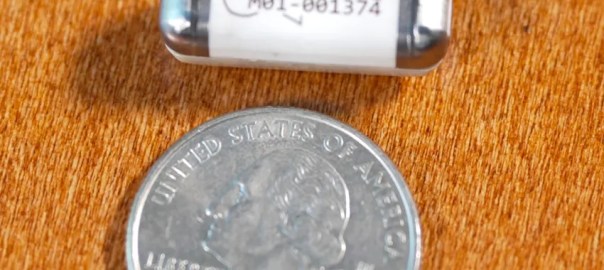
Bioelectricity is a potent lever for controlling health. What would it look like to treat the body electrically, rather than chemically?
When Kevin Tracey met 11-month-old Janice at New York Hospital, she was recovering from multiple bouts of sepsis after her grandmother accidentally spilled a pot of scalding water on her. Janice suffered severe burns to more than 90 percent of her body and, subsequently, septic shock — a life-threatening immune response to infection. Tracey, back in 1987, was a neurosurgery resident working the burn unit at what’s now the Weill Cornell Medical Center.
After three and a half weeks, Janice was ready to be discharged from the hospital. The day prior to being sent home, Tracey watched from a doorway as a nurse gave Janice a bottle, swaying with her gently in a rocking chair. Then, Janice’s eyes rolled back, and she died. Tracey attempted CPR for an hour — all efforts failed.
“As overwhelmingly sad as this was, it was even worse because I couldn’t answer her family’s questions about what happened,” Tracey recalled in a 2015 DARPA symposium keynote address.
Read the full story in the December issue of Drug Discovery News








 Max G. Levy