All posts by Max G. Levy

Unknown's avatar

About Max G. Levy

Science Journalist

Mosquito-borne diseases get a boost from climate change

MASSIVE SCIENCE

Bugs like it hot, and evolve faster when there’s lots of carbon dioxide

We often think of climate change in terms of extreme weather, but the impacts of global warming will extend far beyond natural disasters. Scientists suggest climate change will also make more of the world hospitable to mosquitoes—and the diseases they carry. To make matters worse, new research shows that climate change may also be supercharging mosquito evolution.

Zika, West Nile, and dengue are just a few of the deadly viruses that depend on mosquitoes to spread. Human diseases like these are also carried by animals like birds and rodents, who don’t always show symptoms. But if a mosquito bites an infected animal, it can later transmit the disease to other animals, including humans. That’s why many disease prevention efforts focus on controlling mosquito populations—a task that’s about to become a lot harder.

Read full story in Massive Science

Republished in Pacific Standard Mag

Writing at Massive Science

I write, edit, produce, and fact check for Massive Science. My writing there ranges from fast-turn blogs, and service pieces to profiles and reported news stories.

Select works here:

For a full list of my writing for Massive Science, please refer to my Massive author page

Mosquito control could slow the spread of disease in a warming world

THE VERGE

Diseases and disasters

The recently announced Green New Deal, a resolution to help address the threats of climate change, gives public health advocates a chance to confront an overlooked consequence of climate change: worsening mosquito-borne illnesses.

The resolution, which outlines projects designed to boost renewables, reduce emissions, and climate-proof the country’s infrastructure, was introduced by Rep. Alexandria Ocasio-Cortez (D-NY) and Sen. Ed Markey (D-MA). Its goal is to extinguish potential economic, national, and social infernos that are brought on by climate change. But the plan also recognizes growing threats to public health, such as the diseases becoming far more common in a warming world.

Climate change has already expanded the reach of mosquitoes that carry certain illnesses. More extreme weather events are also part of the package, and more severe storms, stronger hurricane seasons, more floods and droughts also increase the risk of disease after a natural disaster. According to the World Health Organization (WHO), climate change could increase the number of people who are at risk of malaria by over 100 million.

Read more in The Verge

The FDA is going after stem cell clinics that peddle unproven treatments

VOX

The clinics claim they can treat serious diseases with stem cells from fat. The FDA doesn’t buy it.

Inside Mark Berman’s clinic in Rancho Mirage, California, is a sign he’s obliged by law to post. It reads “Not FDA Approved.”

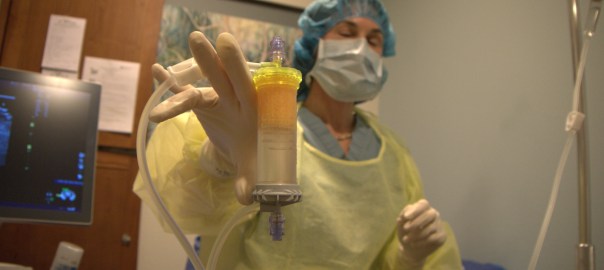
Patients who come here to the California Stem Cell Treatment Center can get treatments for ailments ranging from sports injuries to muscular dystrophy. For upward of $5,000, Berman, a plastic surgeon by training, will remove a small portion of their fat, process it, and inject it back into them.

This is called “fat-derived stem cell therapy”; the premise is that the stem cells in your fat can jump-start the healing process. “The stem cells could be good for repairing everything from Alzheimer’s to paralysis to neurodegenerative conditions,” says Berman. “These cells are miraculous for helping heal. We don’t have a choice. We have to use them.”

Read the full story in Vox

Futuristic organ-on-a-chip technology now seems more realistic than ever

Massive Science

Researchers have pioneered what may be the most accurate simulation of kidney function to-date

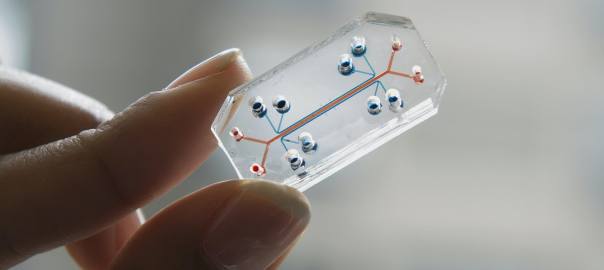
The future of medical research may fit on a clear chip not much bigger than a quarter.

In theory, organ-on-a-chip devices are aptly named. The engineered silicone modules contain small “organs,” represented by specific types of human cells. Fluid courses through thin channels — like veins, but only a fraction of the size — which interconnect the various cells, and expose them to drug treatments carefully administered by lab scientists. They may look like gadgets from the future, but these organ-on-a-chip devices have already garnered attention from scientists hoping to fix a broken drug discovery process.

Read more in Massive Science